
How Much Electricity Can a Solar System Generate for Your Home?
Understanding solar system capacity and daily power generation
Many homeowners who are considering solar energy often ask a simple question: how much electricity can a solar system actually generate? Understanding the expected power generation is important before installing a rooftop solar system because it helps you estimate savings and choose the right system size for your home.
Solar panels produce electricity by converting sunlight into usable energy. The amount of electricity generated depends on several factors, including the size of the solar system, the amount of sunlight available in your area, the direction of the panels, and the efficiency of the equipment used.
In most parts of India, solar systems perform very well because the country receives strong sunlight for most of the year. This makes rooftop solar a practical option for households looking to reduce electricity bills and become less dependent on grid power.
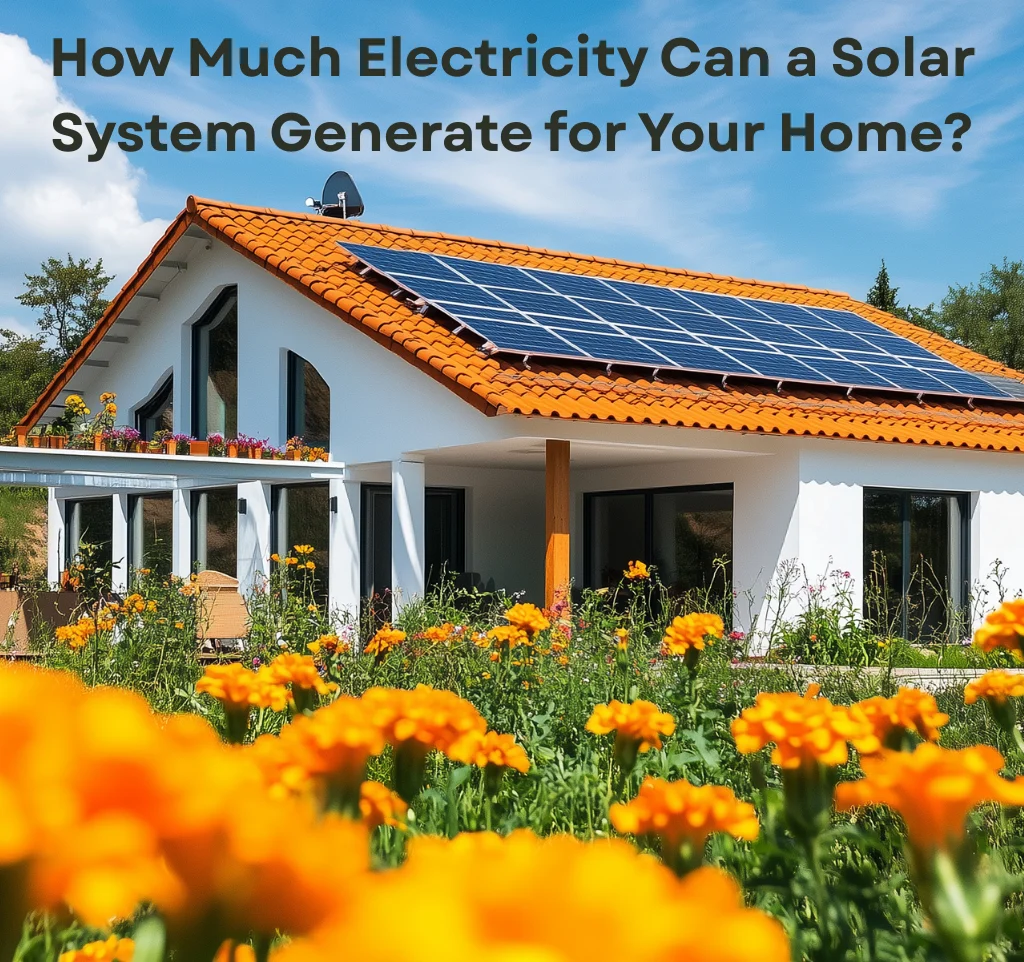
How Solar Panels Generate Electricity
Solar panels work using photovoltaic (PV) technology. When sunlight hits the surface of the solar panel, it activates the solar cells and produces direct current (DC) electricity. This electricity then passes through an inverter, which converts it into alternating current (AC) that can be used by household appliances.
Once installed on your rooftop, the solar system begins producing electricity during the day whenever sunlight is available. The electricity generated can power your home directly, and in grid-connected systems, any excess power may be sent back to the electricity grid depending on local policies.
This simple process allows homeowners to generate clean energy from sunlight without fuel, noise, or pollution.
Average Solar Power Generation in India
The amount of electricity generated by a solar system depends mainly on its capacity, which is measured in kilowatts (kW).
In India, a general rule used by solar professionals is that 1 kW of solar panels can generate around 4 units of electricity per day under good sunlight conditions.
Below is an approximate idea of daily solar generation for common residential system sizes:
Solar System Size | Average Daily Generation | Monthly Generation |
1 kW | 4 units | 120 units |
2 kW | 8 units | 240 units |
3 kW | 12 units | 360 units |
5 kW | 20 units | 600 units |
10 kW | 40 units | 1200 units |
These numbers can vary slightly depending on weather conditions, location, and the quality of solar panels used.
Factors That Affect Solar Power Generation
Although solar systems follow general generation patterns, the actual electricity production can vary based on several conditions.
Sunlight Availability
Regions that receive more sunlight throughout the year generally produce more solar electricity. Fortunately, most regions in India receive strong sunlight for around 300 days annually.
Panel Direction and Tilt
Solar panels perform best when installed facing south with the correct tilt angle. Proper installation ensures that the panels receive maximum sunlight during the day.
Panel Efficiency
Higher-quality solar panels often produce more electricity in the same space compared to lower-efficiency panels.
Shadow and Roof Space
Trees, nearby buildings, or other obstacles can create shadows that reduce solar panel performance. Proper system design helps avoid such issues.
Maintenance
Regular cleaning and basic maintenance ensure that dust or debris does not block sunlight from reaching the panels.
Choosing the Right Solar System Size for Your Home
Selecting the correct solar system size depends on your household’s electricity usage. The easiest way to estimate this is by looking at your monthly electricity bill.
For example:
- If your home consumes 300 units per month, a 3 kW solar system may be suitable.
- If your usage is around 600 units per month, a 5 kW system could meet most of your energy needs.
A properly sized solar system can cover a significant portion of your electricity consumption, helping reduce your monthly power expenses.
Use the Army Solar Calculator to Estimate Your Solar Needs
Every home has different electricity requirements, roof sizes, and installation conditions. Because of this, it can sometimes be difficult to determine the right solar system capacity without professional guidance.
To help homeowners get a quick estimate, Army Solar provides an easy-to-use Solar Calculator on our website.
This tool allows you to:
- Estimate the recommended solar system size for your home
- Get an approximate installation cost
- Understand potential electricity generation and savings
- Evaluate the long-term financial benefits of solar
By simply entering a few details such as your monthly electricity bill, the calculator can give you a helpful idea of how solar energy might work for your home.
It is a convenient way to explore your solar options before starting the installation process.
How Solar Energy Helps Reduce Electricity Bills
One of the main reasons homeowners choose solar power is the opportunity to reduce electricity costs over time.
When your solar system generates electricity during the day, your home uses that power directly instead of relying entirely on grid electricity. This reduces the number of units you consume from your electricity provider.
Over the years, the savings from reduced electricity bills can recover the initial cost of installing the solar system. Since most solar panels have a lifespan of 25 years or more, homeowners can enjoy many years of low-cost energy after the system pays for itself.
In addition to financial savings, solar energy also helps reduce carbon emissions and supports a cleaner environment.