
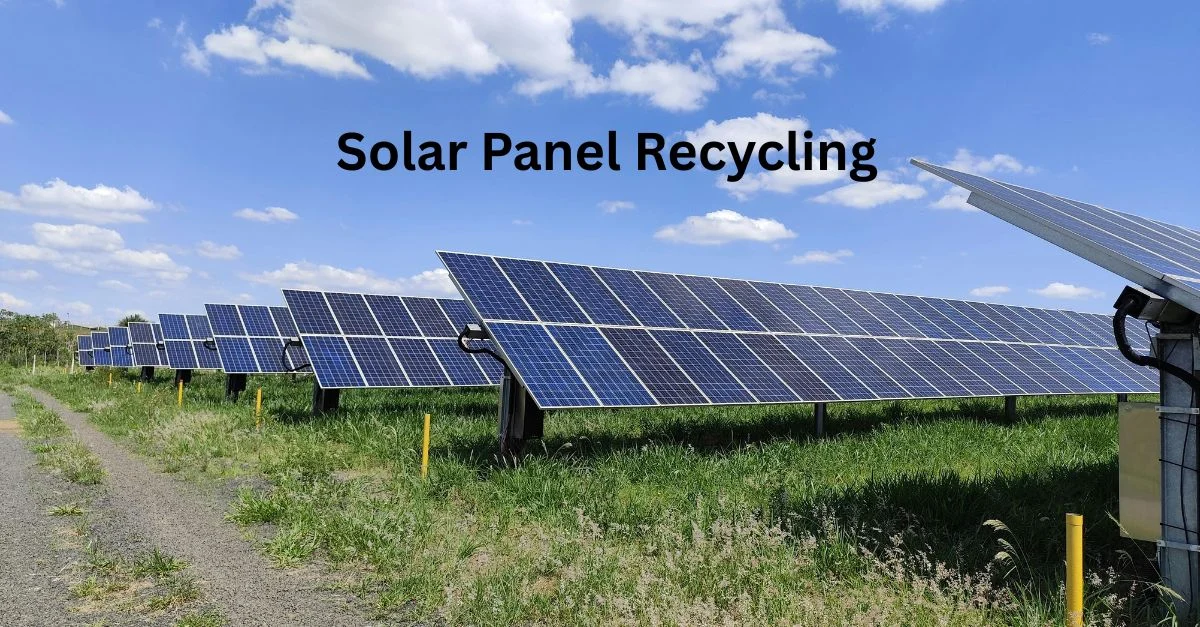
Solar Panel Recycling: A Small Step That Can Create a Big Impact on Our Environment
Solar energy is growing faster than ever. From homes and factories to farms and large industries, more people are switching to solar because it is clean, cost-effective, and better for the environment. But while we talk a lot about producing green energy, there’s another important conversation slowly becoming a major trend in the solar industry — solar panel recycling.
Most solar panels last around 25 to 30 years. After that, their efficiency starts decreasing, and they eventually need to be replaced. This raises an important question: what happens to old solar panels once they are no longer in use?
This is where recycling plays a very important role.
Why Solar Panel Recycling Matters
Many people think solar panels are completely waste-free, but like any technology, they also reach the end of their life cycle. If damaged or expired panels are not handled properly, they can add to industrial waste in the future.
The good thing is that solar panels are made using materials like glass, aluminum, silicon, and metal components that can actually be recovered and reused. Instead of throwing panels away, recycling helps separate these materials so they can be used again in manufacturing and other industries.
This not only reduces waste but also saves natural resources and lowers environmental impact.
Today, countries around the world are focusing on building a circular economy in renewable energy. That means creating products that can be reused, recycled, and managed responsibly even after years of usage.
Solar Recycling Is Becoming a Global Trend
As solar installations continue increasing every year, recycling is becoming one of the most talked-about topics in the renewable energy sector.
Governments and environmental organizations are now encouraging:
- Sustainable solar manufacturing
- Responsible waste management
- Eco-friendly production systems
- Recycling infrastructure for old solar panels
Many experts believe that solar recycling will become one of the biggest industries connected to renewable energy in the coming years.
This is because millions of solar panels installed today will eventually need proper disposal and recycling in the future.
How Solar Panels Are Recycled
The recycling process is more advanced than many people think.
First, old or damaged panels are collected and sent to specialized recycling facilities. The aluminium frame and electrical components are separated because they can be reused directly.
After that, the glass layer is carefully removed and processed for reuse. Since glass makes up a major portion of the panel, recycling it helps reduce industrial waste significantly.
Advanced systems then recover useful materials like silicon, copper, and silver from the solar cells. These materials can later be reused in electronics, manufacturing, and even new solar products.
The entire process helps reduce the need for fresh raw materials and supports a cleaner production cycle.
Environmental Benefits of Recycling Solar Panels
One of the biggest benefits of recycling is reducing landfill waste. Instead of dumping old panels, recycling ensures materials are reused responsibly.
It also helps:
- Reduce pollution
- Save natural resources
- Lower carbon emissions
- Support sustainable manufacturing
- Promote long-term clean energy goals
As more businesses and homeowners adopt solar energy, recycling will become equally important in protecting the environment.
Challenges the Industry Still Faces
Even though awareness is growing, solar recycling is still developing in many countries. There are challenges such as:
- Limited recycling plants
- Transportation costs
- Lack of awareness
- Need for better recycling technology
However, with growing demand and government support, the industry is moving in the right direction.
Many solar manufacturers are now focusing not only on producing efficient panels but also on promoting sustainable practices throughout the product lifecycle.
How Army Solar Supports a Better Environment
Army Solar believes that clean energy is not only about generating electricity — it is about creating a sustainable future for the next generation.
As a solar manufacturer, Army Solar focuses on producing high-quality and long-lasting solar panels that help reduce dependence on conventional energy sources and lower carbon emissions.
The company continuously works toward:
- Promoting renewable energy adoption
- Supporting environmentally responsible practices
- Encouraging sustainable energy solutions
- Using advanced manufacturing processes for better efficiency
By helping businesses and households switch to solar energy, Army Solar is contributing to India’s green energy mission and supporting a cleaner environment for the future.
Because every solar installation today is a step toward a greener tomorrow.