
Solar Panel Cost in India: Complete Guide for Homeowners (2026)

Understanding the real price of installing solar panels and how much you can save
Electricity prices in India continue to rise every year, and many homeowners are now looking for smarter ways to manage their energy expenses. One of the most practical solutions is installing rooftop solar panels. Solar power allows households to generate their own electricity using sunlight, reducing dependence on the grid and lowering monthly power bills.
Before making the decision to install solar panels, most people have one important question: how much does a solar system actually cost in India?
The cost of a solar installation can vary depending on several factors such as the system size, quality of components, type of inverter used, and the complexity of the installation. In this guide, we explain the typical solar panel costs in India, what influences the pricing, and how homeowners can estimate their investment.
Average Cost of Solar Panels in India
The price of a rooftop solar system mainly depends on the size of the system installed. Larger systems produce more electricity but require more panels and equipment.
Here is a general idea of rooftop solar system costs in India:
Solar System Size | Average Cost (Before Subsidy) |
1 kW | ₹60,000 – ₹80,000 |
3 kW | ₹1,65,000 – ₹1,95,000 |
5 kW | ₹2,70,000 – ₹3,20,000 |
10 kW | ₹5,00,000 – ₹6,00,000 |
These prices are approximate and can vary depending on the brand of solar panels, inverter technology, and installation conditions.
While the upfront investment may seem significant, solar systems typically last 25 years or more, allowing homeowners to recover their cost through electricity savings over time.
Factors That Affect Solar Installation Cost
Every home is different, and several factors influence the final price of a solar system.
1. Solar System Size
The larger the system, the higher the cost. However, bigger systems also generate more electricity, which can lead to greater long-term savings.
2. Solar Panel Quality
Solar panels come in different technologies such as mono PERC and bifacial panels. High-efficiency panels may cost more initially but often deliver better performance.
3. Inverter Type
The inverter converts solar energy into usable electricity. String inverters, hybrid inverters, and microinverters each have different pricing and performance levels.
4. Roof Structure and Installation Complexity
The design of your rooftop and the mounting structure required for installation can also affect the overall cost.
5. Government Subsidies
Government programs for rooftop solar can significantly reduce the upfront cost for residential installations.
Government Subsidy for Residential Solar
To encourage renewable energy adoption, the Indian government offers subsidies for residential rooftop solar systems.
Depending on the system capacity, homeowners may receive financial support that lowers the overall investment required. These subsidies help make solar power more affordable and accessible for households across the country.
However, subsidy availability and eligibility can vary depending on local programs and policies.
How Much Can You Save with Solar?
The biggest benefit of installing solar panels is long-term electricity savings.
For example:
- A 3 kW solar system can generate around 12 units of electricity per day.
- A 5 kW solar system can generate about 20 units per day under good sunlight conditions.
Over the years, these savings can offset the initial installation cost and continue reducing electricity bills for decades.
Many homeowners recover their investment within 4 to 6 years, after which most of the electricity generated by the system becomes essentially free.
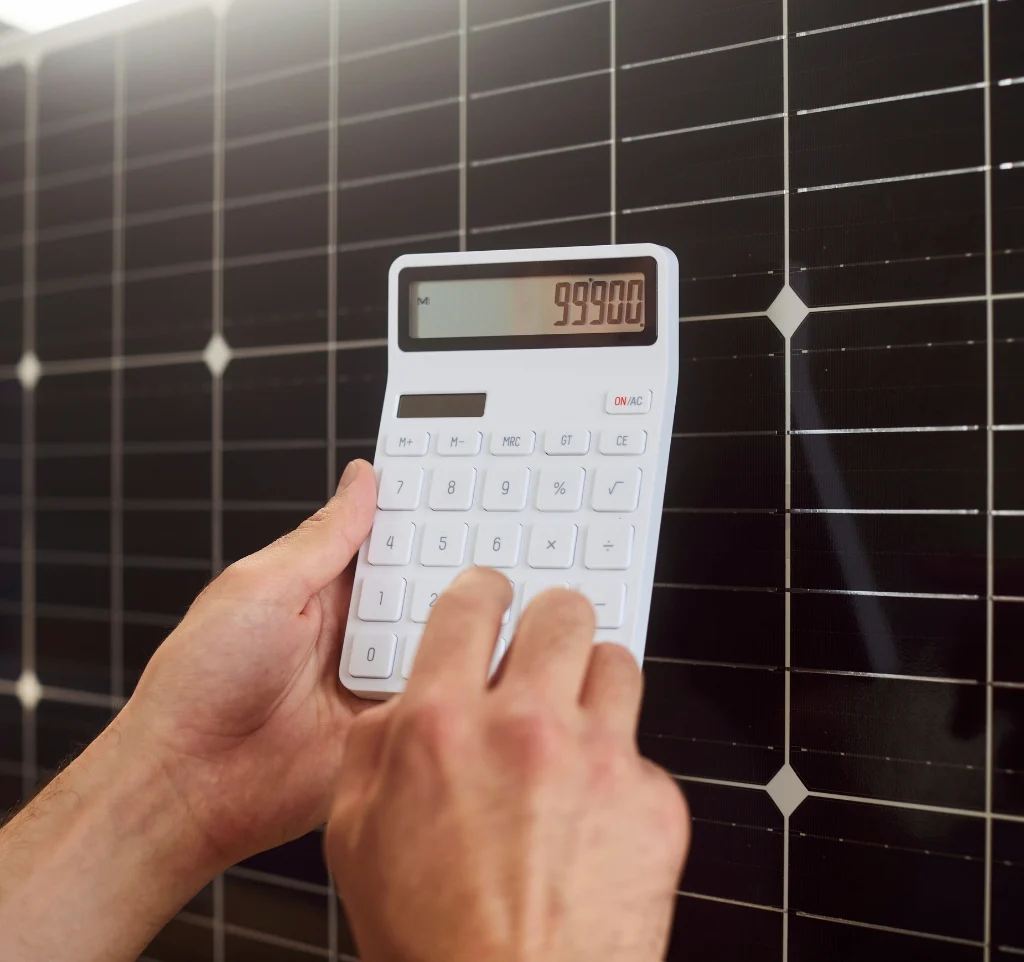
Use the Army Solar Calculator to Estimate Your Cost
Every home has different electricity usage and roof space, which is why it can sometimes be difficult to estimate the exact solar system size required.
To make this easier, Army Solar provides a simple Solar Cost Calculator on our website.
With this tool, you can:
- Estimate the solar system size suitable for your home
- Get an approximate installation cost
- See potential electricity savings
- Understand the return on investment for solar
By entering a few basic details about your electricity consumption, the calculator provides a quick estimate that helps homeowners plan their solar investment more confidently.
This tool is designed to give you a clearer picture before speaking with our solar experts.
Is Installing Solar Panels Worth It?
For many homeowners in India, solar panels have become one of the most practical long-term investments. Apart from reducing electricity bills, solar systems also offer other benefits such as energy independence and protection against rising power tariffs.
Additionally, using solar energy contributes to a cleaner environment by reducing reliance on fossil fuels.
As technology continues to improve and solar equipment becomes more efficient, installing solar panels is becoming an increasingly attractive option for residential properties.
Final Thoughts
The cost of solar panels in India depends on several factors, but the long-term savings and environmental benefits make it a worthwhile investment for many households.
With the availability of government incentives and improved solar technologies, rooftop solar systems are now more accessible than ever before.
If you are considering switching to solar energy, understanding the costs and potential savings is the first step. Tools like the Army Solar Calculator can help you estimate the right system for your home and make the decision easier.
Solar power is not just about reducing electricity bills — it is about investing in a cleaner and more sustainable energy future.